Reviewing 3D Inflated Christmas Gifts Clipart for Stitching
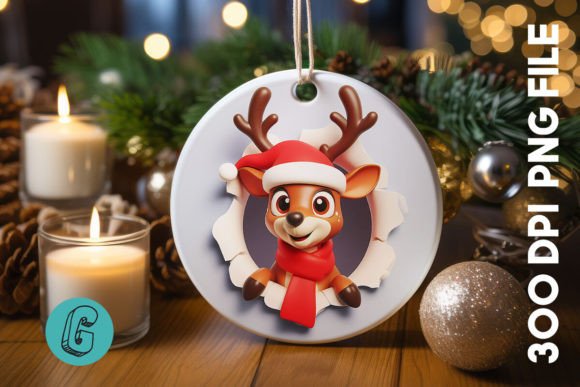
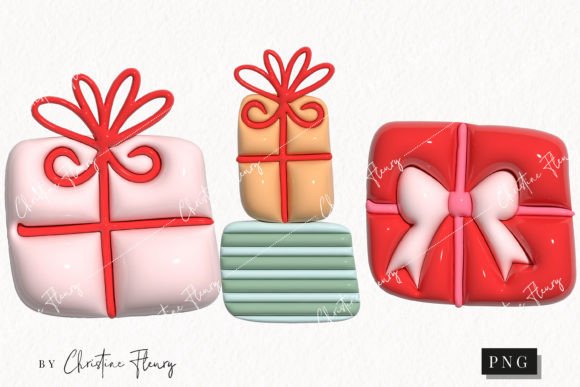
As a designer who spends more time staring at stitch simulations than actual fabric, I have learned to be skeptical of trendy digital assets. We see them everywhere: bold, puffy, hyper-saturated graphics that look incredible on a screen but often translate poorly to thread. That is why I took a close, critical look at the 3D Inflated Christmas Gifts Clipart before committing it to any client project or personal inventory. The goal was not just to admire the aesthetic, but to determine if this specific style of illustration holds up under the needle.
The first impression is undeniably cheerful. The "inflated" or balloon-like aesthetic taps into a modern design trend that feels playful and tactile. For holiday embroidery, this is a welcome departure from the traditional, flat silhouettes we have stitched for decades. The rounded edges and implied volume create a sense of softness that aligns perfectly with the cozy nature of winter apparel. However, from a technical standpoint, rounded, volumetric shapes present unique challenges. They require careful management of stitch density to avoid puckering, especially when working on stretchy fabrics like sweatshirt fleece or jersey knits.
Real-World Application: The Holiday Tote Test
To truly evaluate these Illustrations, I imagined a specific real-life scenario: a custom order for a local boutique selling handmade holiday gift sets. The client wanted a series of canvas tote bags featuring festive motifs. This is a common request for Etsy sellers and small shop product creators during the fourth quarter. The question was whether the 3D Inflated Christmas Gifts Clipart would look professional on a textured canvas surface.
In this context, the design shines. The bold outlines and simplified shading inherent in the inflated style mean that the design does not rely on microscopic details that might get lost in the weave of a cotton canvas. When digitized correctly, using a combination of satin stitch for the borders and a light fill stitch for the body, the result is clean and impactful. The visual weight of the design balances well against the sturdy fabric. It does not look like an afterthought; it looks like an intentional tote bag design meant for heavy use.
However, I would caution against using this specific clipart on thin, delicate fabrics without significant stabilization. The visual "heaviness" of the 3D effect implies a certain density. If you attempt to stitch this on a lightweight linen tea towel or a sheer curtain, the fabric may distort. For such applications, I recommend testing on scrap fabric first and using a cut-away stabilizer to support the weight of the threads.
Versatility Across Product Lines
Beyond tote bags, this design asset offers versatility for various embroidery projects. Consider sweatshirt embroidery. The puffy aesthetic of the clipart mimics the texture of the garment itself. When stitched on a hooded sweatshirt, the design integrates seamlessly into the casual, comfortable vibe of the piece. It works equally well for baby embroidery, where soft, rounded shapes are preferred over sharp, aggressive lines. A onesie or baby blanket featuring these inflated gifts feels safe, friendly, and modern.
For those running a craft business, this type of digital embroidery file can also be adapted for patches. An embroidered patch requires high contrast and clear definition, as it is often viewed from a distance or attached to jackets and bags. The bold color blocks in the 3D Inflated Christmas Gifts Clipart translate well to patch formats, provided you maintain sufficient spacing between color changes to prevent thread bunching.
It is also worth considering the design’s utility for commercial embroidery clients who need quick turnaround times. Because the shapes are relatively simple and lack intricate internal detailing, these designs can often be stitched out faster than complex scenic illustrations. This efficiency can be a major selling point for apparel decorators dealing with high-volume holiday orders.
Technical Considerations for Designers
While the aesthetic is strong, the execution requires diligence. Here are the practical notes I jotted down while evaluating the file for production:
- Check Thread Color Contrast: The 3D effect relies on shading. Ensure your thread colors have enough value difference to show the inflation effect. Using two shades of red that are too similar will flatten the design, losing the intended volume.
- Review Stitch Density: Inflated shapes often use dense fills to create a smooth surface. On curved surfaces like caps or hats, this can cause pulling. Reduce density slightly if stitching on structured caps to maintain the shape of the garment.
- Inspect Small Details: If the clipart includes small bows or tags, verify that they are large enough to stitch cleanly. Tiny elements can become tangled knots if the digitizing is not precise.
- Test on Dark and Light Fabrics: Always run a test on both black and white fabric. Some shading techniques work well on light backgrounds but disappear on dark ones. You may need to add an underlay or adjust thread choices for dark garments.
- Confirm Hoop Size: Ensure the design fits comfortably within your standard hoop sizes. If the design is too large for a 4x4 hoop, you may need to resize it, which could affect stitch quality.
Commercial Viability and Brand Consistency
For creative entrepreneurs and digital product sellers, the appeal of this clipart lies in its modernity. It helps differentiate your handmade product from the sea of traditional snowflakes and reindeers. Using contemporary design assets like this signals to customers that your brand is current and stylish. This can increase buyer engagement and perceived value.
When creating printable mockups for your online store, this design performs exceptionally well. The clean lines and vibrant colors pop in digital previews, helping to drive clicks and sales. However, remember that what sells in a mockup must deliver in the finished product. Always manage customer expectations by showing close-up photos of the actual stitching, highlighting the texture and quality of the thread work.
Before selling any items made with this machine embroidery design, strictly review the licensing terms. Whether you are creating personalized gifts for direct sale or using the image in marketing materials, understanding your rights is crucial. Most commercial licenses allow for physical products but restrict the resale of the digital file itself. Confirm these details to protect your small business from legal issues.
Final Verdict
The 3D Inflated Christmas Gifts Clipart is a strong contender for holiday collections. It bridges the gap between digital trendiness and textile practicality. It is not a plug-and-play solution for every fabric type, but with proper testing and adjustment, it offers a fresh, professional look for custom apparel, home decor, and accessories. For the experienced designer, it provides a reliable foundation for creating standout holiday embroidery pieces that customers will appreciate for their modern charm and quality execution.