Reviewing the Knitted Tree Christmas Clipart PNG for Embroidery
As a designer who has spent years translating digital art into thread, I have learned that not every pretty image makes a good embroidery project. The gap between a screen and a needle is wide, filled with considerations of tension, fabric grain, and stitch density. Recently, I evaluated the Knitted Tree Christmas Clipart PNG to determine its viability for real-world applications. This isn’t just about aesthetics; it is about functionality. Can this illustration withstand the rigors of a washing machine? Does it translate well to a small hoop? Will it appeal to customers looking for high-quality handmade goods?
First Impressions: Texture and Visual Mood
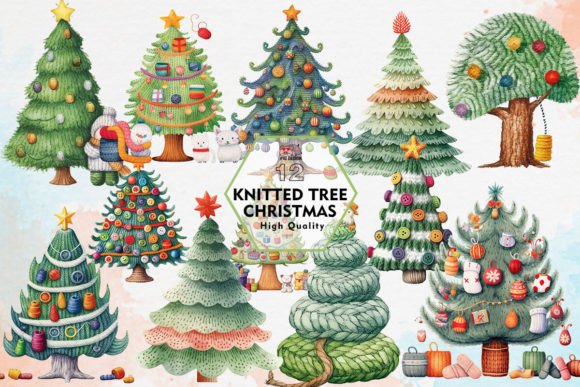
The immediate appeal of the Knitted Tree Christmas Clipart PNG lies in its texture. In the world of Illustrations, mimicking the look of hand-knitted wool through digital means is a clever stylistic choice. It evokes warmth, nostalgia, and the cozy atmosphere of the holiday season. For an embroidery designer, this "knitted" aesthetic presents both an opportunity and a challenge. The visual weight of the design suggests a substantial presence on fabric, which is excellent for winter apparel like sweatshirts or heavy cotton tote bags.
However, the complexity of the simulated knit pattern requires careful attention. If the lines are too thin or the details too intricate, they may get lost when converted into a machine embroidery design. My initial assessment focused on the clarity of the branches and the overall silhouette. A strong silhouette is crucial because embroidery relies on shape and contrast rather than subtle shading. This clipart appears to have a bold enough structure to work, provided the digitizer respects the integrity of the original lines.
Real-World Application: The Holiday Tote Bag Test
To truly understand the potential of this asset, I imagined a specific client project: a custom holiday gift set featuring embroidered tote bags. These are popular items for Etsy sellers and small shop products during the fourth quarter. The goal was to create a festive yet sophisticated look that wouldn’t scream "cheap novelty."
Using the Knitted Tree Christmas Clipart PNG as the central motif, I envisioned placing it on a natural canvas bag. The earthy tone of the canvas would complement the rustic feel of the knitted texture. In this scenario, the design serves as a focal point. Because the clipart implies texture, using a fill stitch with varying angles could replicate the look of yarn effectively. Alternatively, if the design is simplified, a satin stitch border with a lighter fill could create a cleaner, more modern interpretation suitable for boutique branding.
This application highlights the versatility of the design. It is not limited to traditional red and green. By experimenting with thread colors—such as cream, slate grey, or mustard yellow—the same design can fit into modern farmhouse decor or minimalist holiday themes. This flexibility increases its value as a design asset for creative entrepreneurs who need to offer variety without creating entirely new files from scratch.
Navigating Technical Challenges in Stitching
While the aesthetic is promising, the technical execution requires diligence. One must consider where this design might fail. For instance, using this clipart on a curved surface like a cap requires careful resizing. If the design is too wide, it will distort around the crown. Similarly, placing it on stretchy fabrics like jersey t-shirts demands a robust stabilizer strategy. Without proper backing, the "knitted" lines could pucker, ruining the illusion of softness.
Another critical factor is stitch density. If the digital conversion packs too many stitches into the small areas of the tree branches, the result will be stiff and prone to breaking threads. Conversely, if the density is too low, the fabric may show through, breaking the visual continuity. I recommend testing the design on scrap fabric first. Check how the running stitch outlines hold up against the fill areas. Pay close attention to the tips of the branches; these are often the first places where registration issues occur.
For those considering this for baby embroidery, such as onesies or burp cloths, comfort is paramount. A dense, heavy stitch count can be irritating to sensitive skin. In these cases, simplifying the design or using an applique design technique might be smarter. By cutting fabric shapes and stitching them down, you reduce the bulk of thread while maintaining the visual impact of the Knitted Tree Christmas Clipart PNG.
Enhancing Product Value and Customer Trust
From a business perspective, the quality of your embroidery directly influences customer trust. A sloppy stitch-out suggests a lack of professionalism, while a crisp, well-executed design justifies a higher price point. The Knitted Tree Christmas Clipart PNG, when properly digitized and stitched, adds perceived value to a personalized gift. It feels thoughtful and crafted, distinguishing it from mass-produced prints.
For commercial embroidery projects, consistency is key. If you are producing a run of fifty aprons for a local cafe’s holiday promotion, every tree needs to look identical. This requires locking down your variables: same thread brand, same stabilizer, same tension settings. The distinct lines of this clipart make it easier to spot inconsistencies, which is actually a benefit during quality control. You can quickly see if a branch is misaligned or if a color change is off-register.
Practical Notes for Designers and Makers
Before you commit to selling finished products or including this in your library, take these practical steps:
- Check Licensing: Ensure you have the right to use the Knitted Tree Christmas Clipart PNG for commercial purposes. Some Illustrations are for personal use only. Confirm whether you can sell the physical embroidered item or if there are restrictions on digital redistribution.
- Test on Dark Fabrics: If you plan to stitch this on navy or black fabric, verify that the digitized file includes an underlay or background fill to prevent the fabric color from bleeding through the design.
- Evaluate Hoop Size: Determine the maximum size the design can be stitched without losing detail. A 4x4 inch hoop might require a simplified version, while a 5x7 or 6x10 hoop allows for more intricate stitch work.
- Mockup Verification: Use printable mockups to visualize the design on different products. Seeing the tree on a pillow cover versus a sweatshirt embroidery layout can help you decide on scaling and placement.
- Thread Contrast: Choose thread colors that provide enough contrast against the fabric but also harmonize with the "knitted" theme. Matte threads often look more authentic for this style than shiny rayon.
Final Verdict on Usability
The Knitted Tree Christmas Clipart PNG is a strong contender for holiday-themed projects, provided it is handled with technical care. It bridges the gap between digital convenience and handmade charm. For the craft business owner, it offers a recognizable holiday symbol with a unique textural twist. For the hobbyist, it provides a satisfying challenge in mastering texture simulation through thread.
Success with this design depends less on the image itself and more on the preparation. Respect the limitations of your machine, choose your fabrics wisely, and always prioritize stitch quality over speed. When done right, this design can elevate a simple tote bag design or embroidered patch into a cherished keepsake. It is a reminder that in embroidery, as in knitting, the beauty lies in the details.