Reviewing Pastel Watercolor Christmas Deer Clipart for Embroidery
As a designer who has spent countless hours digitizing and testing machine embroidery design files, I have learned that not every beautiful image translates well to thread. When I first opened the Pastel Watercolor Christmas Deer Clipart, my initial reaction was one of aesthetic appreciation. The soft, muted tones and the gentle, artistic rendering of the deer evoke a sense of calm holiday nostalgia. However, moving from digital appreciation to practical application requires a critical eye. For those of us running a craft business or selling on platforms like Etsy, the visual appeal is only half the battle. The other half is technical viability.
First Impressions and Visual Mood
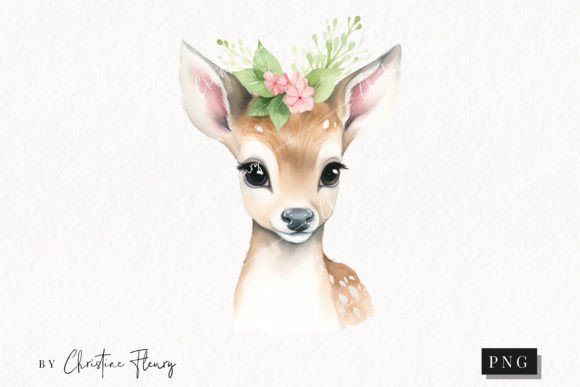
The Pastel Watercolor Christmas Deer Clipart belongs to a category of Illustrations that prioritize mood over sharp, vector-like precision. This is crucial to understand before you even think about hoop size. The watercolor effect implies blending, soft edges, and a lack of hard boundaries. In the world of embroidery, this presents both an opportunity and a challenge. The design feels inherently suited for items that benefit from a touch of elegance and subtlety, such as nursery decor, high-end boutique apparel, or personalized holiday gifts. It does not scream for attention with bold, saturated colors; instead, it invites a closer look. This makes it an excellent choice for customers seeking a sophisticated, modern take on traditional holiday embroidery.
Real-World Application: The Tote Bag Test
To truly evaluate this asset, I imagined a specific real-life scenario: creating a custom tote bag design for a local boutique’s holiday collection. The goal was to produce a handmade product that felt artisanal rather than mass-produced. Using the Pastel Watercolor Christmas Deer Clipart as the central motif, I considered how the soft pastel hues would interact with natural canvas fabric. On a cream or light beige tote, the design would likely shine, offering a gentle contrast that feels warm and inviting. However, if I were to place this on a dark navy or black bag, the pastel tones might get lost unless significant underlay or white backing stitches were used to boost brightness. This is a common pitfall with watercolor-style assets; they often rely on the background color to define their shape.
For a sweatshirt embroidery project, the considerations shift slightly. A fleece or cotton blend sweatshirt provides a textured surface. If the embroidery file relies heavily on fine running stitch details to mimic watercolor brushes, those details might sink into the fabric pile. In this case, I would recommend using a cut-away stabilizer to provide a firm foundation, ensuring the design sits on top of the fabric rather than disappearing into it. The result would be a cozy, premium-looking piece of custom apparel that appeals to buyers looking for unique, non-traditional holiday wear.
Technical Considerations for Stitching
When working with designs inspired by watercolor Illustrations, stitch density becomes a primary concern. A true watercolor look often requires varying densities to create the illusion of transparency and depth. If the digitizer has used excessive fill stitch areas to replicate the painted look, the final finished product may feel stiff or heavy. This is particularly important for baby embroidery items, where softness is paramount. A dense design on a onesie or baby blanket can cause discomfort and may pucker the delicate fabric. Therefore, I always advise checking the stitch count and density map before committing to a large production run.
Another technical aspect is the use of thread colors. Pastel palettes can be tricky because the difference between shades is subtle. If your machine’s tension is slightly off, or if the thread quality is inconsistent, these subtle gradients can look muddy or uneven. I recommend testing the design on scrap fabric identical to your final material. Pay close attention to how the transitions between colors are handled. Are they achieved through color blending in the digitizing, or do they rely on the viewer’s eye to merge adjacent stitches? Understanding this helps you set realistic expectations for the final output.
Where to Use Caution
While the Pastel Watercolor Christmas Deer Clipart is versatile, it is not suitable for every application. I would hesitate to use this design on curved surfaces like caps or hats unless it was specifically digitized for that purpose. The soft, flowing lines of a watercolor style can distort easily on curved hoops, leading to a misshapen final image. Similarly, avoid using this on highly textured fabrics like rough linen or burlap unless you are using an applique design technique where a fabric patch provides the color and the stitching merely outlines the shape. Direct embroidery on rough textures can break up the delicate lines of the deer, ruining the artistic effect.
Small hoop sizes also pose a risk. If the design includes tiny details or fine antler structures, shrinking it to fit a 4x4 inch hoop might cause those details to merge or become indistinguishable. Always preview the design at the actual size you intend to stitch. If the details disappear, the design is too complex for that scale. In such cases, consider simplifying the design or choosing a larger hoop size to maintain clarity.
Enhancing Brand Value and Customer Trust
From a business perspective, the choice of design assets directly impacts brand perception. Using a high-quality, thoughtfully selected design like the Pastel Watercolor Christmas Deer Clipart can elevate your small shop product lineup. It signals to customers that you care about aesthetics and trends. For an Etsy seller, this can translate into higher engagement and better conversion rates. Buyers are often drawn to items that look unique and professionally crafted. A well-executed watercolor-style embroidery stands out in a sea of generic, clip-art-heavy designs.
Moreover, this type of design lends itself well to printable mockup creation. Before you even stitch a single thread, you can create compelling digital previews for your online store. These mockups help customers visualize the personalized gift potential of the item, whether it’s a monogrammed pillow cover or a custom apron. High-quality visuals build trust and reduce hesitation in the buying process.
Practical Designer Notes
Before you purchase or download any digital embroidery file, including this one, there are several steps you should take to ensure success. First, verify the licensing terms. Ensure that the file allows for commercial embroidery if you plan to sell finished items. Second, check the available file formats to ensure compatibility with your embroidery machine software. Common formats include PES, DST, and EXP, but requirements vary by machine brand.
- Test on Scrap Fabric: Always run a test stitch-out on the same type of fabric you plan to use for the final product. This reveals issues with tension, density, and color contrast.
- Check Stabilizer Compatibility: Choose the right stabilizer for your fabric. Cut-away for knits and stretchy materials, tear-away for woven fabrics.
- Review Thread Colors: Match your physical thread inventory to the design’s color palette. Substitutions can alter the look significantly, especially with pastels.
- Inspect Small Details: Zoom in on the design preview to check for tiny elements that might not stitch out cleanly.
- Compare Backgrounds: Visualize the design on both light and dark fabrics to determine if additional underlay or backing is needed.
In conclusion, the Pastel Watercolor Christmas Deer Clipart is a charming and versatile asset for designers who understand its nuances. It excels in projects that value softness, elegance, and a modern holiday aesthetic. By paying attention to fabric choice, stabilizer selection, and stitch density, you can transform this digital illustration into a stunning physical product. Whether you are creating a embroidered patch for a jacket or a delicate motif for a tea towel, this design offers a fresh alternative to traditional holiday imagery. Just remember to test thoroughly and respect the technical limitations of your equipment to achieve the best possible results.