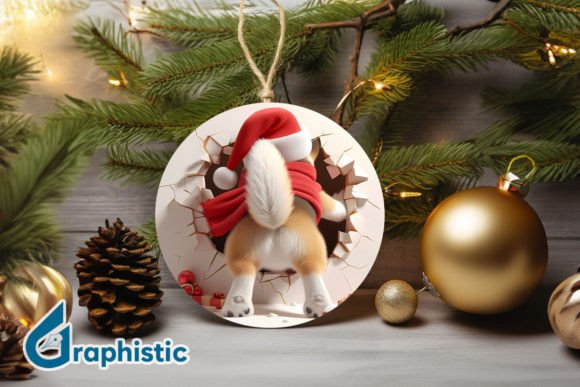
Reviewing Cute Cat Christmas Ornament Back 11
As an embroidery designer who spends more time staring at stitch maps than actual fabric, I have learned that the difference between a charming handmade product and a tangled mess often comes down to the initial design choice. When I first opened the file for Cute Cat Christmas Ornament Back 11, my immediate reaction was not just about aesthetics, but about practicality. In the world of small business and craft entrepreneurship, we do not just need pretty pictures; we need reliable machine embroidery design assets that behave well on the hoop and look professional in the finished product.
First Impressions and Visual Personality
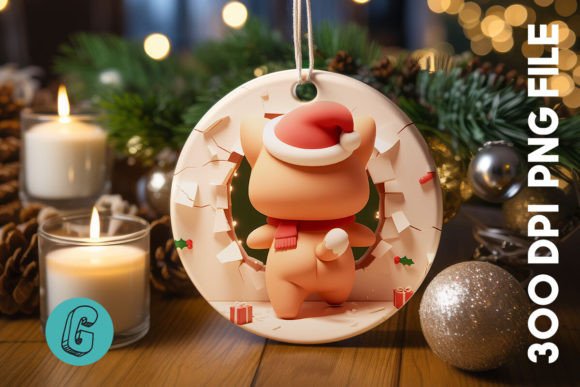
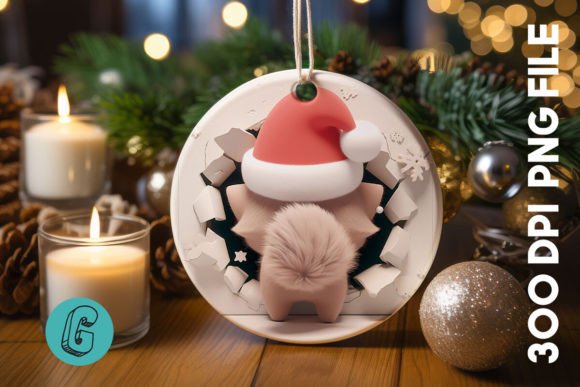
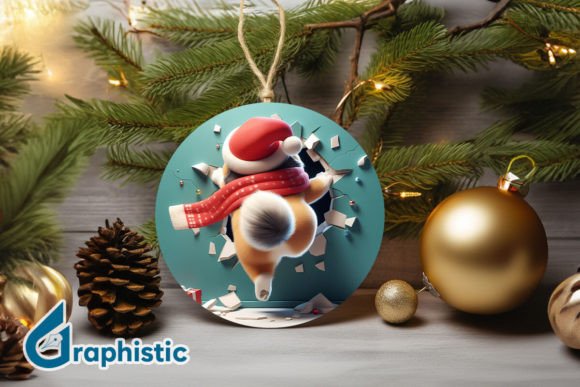
The mood of this piece is undeniably festive yet understated. It fits squarely into the Illustrations category, relying on clean lines and balanced spacing rather than overwhelming density. For those of us creating holiday collections, finding designs that evoke warmth without looking cluttered is a constant challenge. This design manages to capture the whimsical spirit of a cat-themed holiday ornament while maintaining a layout that respects the limitations of embroidery thread.
Visually, the personality is soft and approachable. It does not scream for attention with aggressive colors or complex shading. Instead, it invites a closer look. This subtlety is crucial for modern handmade product lines where customers appreciate craftsmanship over flashiness. The shape is compact, suggesting it was designed with versatility in mind, likely intended to sit comfortably within standard hoop sizes without requiring excessive trimming or specialized framing.
Real-World Application: The Holiday Tote Scenario
To truly evaluate Cute Cat Christmas Ornament Back 11, I imagined a specific real-life scenario. Suppose you are preparing a batch of custom canvas tote bags for a local holiday market. These are not just any bags; they are premium, heavy-weight cotton totes intended as reusable gift wrappers or everyday carryalls for the season. You need a design that stitches quickly, holds up to wear, and appeals to cat lovers who might be buying last-minute personalized gift items.
In this context, the design performs admirably. Its structure suggests a combination of satin stitch borders and manageable fill stitch areas. On a sturdy canvas, the design anchors well. The visual weight is distributed evenly, meaning the fabric is less likely to pucker if you use the correct stabilizer. For an Etsy seller or small shop owner, this reliability translates to fewer ruined blanks and higher profit margins. The design does not require hours of machine time, allowing you to produce multiple units in a single day, which is essential during the hectic holiday rush.
Beyond Totes: Versatility in Custom Apparel
While totes are a safe bet, let us consider custom apparel. Imagine applying this to a fleece sweatshirt or a structured cap. Here, the details matter more. The design’s clarity ensures that the cat’s features remain distinct even on textured fabrics like fleece. However, on a curved surface like a cap, you must be mindful of the hoop size and placement. Because the design is categorized under Illustrations, it likely avoids excessive density that could cause stiffness or discomfort on wearable items. This makes it a strong candidate for sweatshirt embroidery where comfort is just as important as visual appeal.
For baby embroidery projects, such as a holiday onesie or a nursery pillow cover, the softness of the design is a major asset. Parents often prefer gentle, non-aggressive imagery for infants. The rounded elements and lack of sharp, jagged edges in the stitch path suggest a tactile finish that is safe and pleasant to touch. Always test on scrap fabric first, especially with delicate baby knits, to ensure the thread colors provide enough contrast without overwhelming the small garment.
Technical Considerations and Stitching Clarity
From a technical standpoint, the success of any embroidery file depends on how it handles transitions and density. Cute Cat Christmas Ornament Back 11 appears to utilize smart stitching techniques to maintain definition. If this were an applique design, it would require precise cutting, but as a standard stitched illustration, it relies on the interplay of light and shadow created by thread direction.
One critical aspect to review is the stitch density. High-density areas can cause fabric distortion, particularly on thin or stretchy materials. If you plan to use this on a lightweight tea towel or a silky blouse, you must pair it with a high-quality cut-away stabilizer to support the stitches. Conversely, on thick denim or layered jackets, the design should pop nicely, provided your needle size is appropriate for the fabric weight.
Color selection plays a pivotal role here. While the digital preview might show specific hues, the true test is in the physical thread colors you choose. I recommend testing the design in black and white mockups first. If the design loses its definition without color, it may rely too heavily on hue rather than form. A robust design like this should maintain its structural integrity and recognizability even in monochrome, ensuring it looks good on both light and dark fabric backgrounds.
Where to Use Caution
No design is universal, and honest reviews must address limitations. You should exercise caution when using Cute Cat Christmas Ornament Back 11 on highly textured fabrics like looped terry cloth or bouclé. The fine details might get lost in the pile. Additionally, if you are working with very small hoop sizes, ensure that the smallest elements of the cat’s face or the ornament details do not become so tiny that they fail to stitch out cleanly. Tiny lettering or intricate corners can sometimes merge if the tension is not perfectly calibrated.
For products that require frequent washing, such as kitchen towels or children’s clothing, verify the stability of the fill areas. Dense fills can sometimes crack or pull away after multiple wash cycles if not properly stabilized. Always follow care instructions for both the thread and the fabric to maintain the longevity of your finished product.
Enhancing Brand Value and Customer Trust
Ultimately, the choice of design assets reflects on your brand. Using a well-balanced, professional-looking file like Cute Cat Christmas Ornament Back 11 signals quality to your customers. It shows that you care about the neatness of the back of the hoop as much as the front. This attention to detail builds trust, encouraging repeat business and positive reviews.
For commercial embroidery projects, consistency is key. This design’s clear lines make it easier to replicate across different items, ensuring that your small shop product line looks cohesive. Whether you are creating embroidered patch collections or direct-to-garment embellishments, the reliability of the file reduces production errors and enhances the overall perceived value of your work.
Final Designer Notes
Before you commit to a large production run, take these practical steps:
- Test on Scrap Fabric: Always stitch a sample on the exact material you intend to use. Check for puckering, thread breaks, or registration issues.
- Check Licensing: Confirm the license terms for the digital embroidery file. Ensure you have the right to use it for commercial sales if you are an Etsy seller or boutique owner.
- Adjust Tension: Different machines and threads react differently. Fine-tune your top and bobbin tension to achieve clean satin edges and smooth fills.
- Consider Stabilizer: Match your stabilizer to the fabric. Use tear-away for stable woven fabrics and cut-away for knits and stretchy materials.
In conclusion, Cute Cat Christmas Ornament Back 11 is a thoughtful addition to any holiday design library. It balances charm with technical feasibility, making it a practical choice for designers who value both aesthetics and efficiency. By understanding its strengths and limitations, you can leverage this asset to create memorable, high-quality holiday embroidery pieces that resonate with your audience.