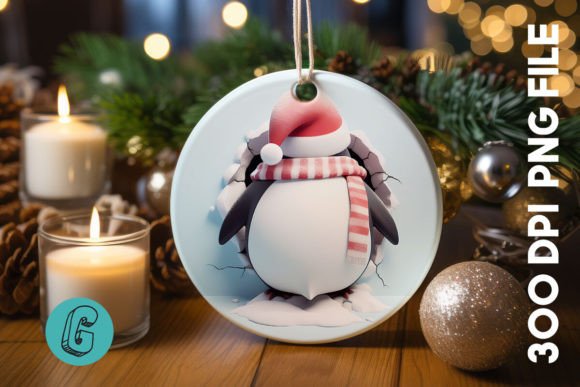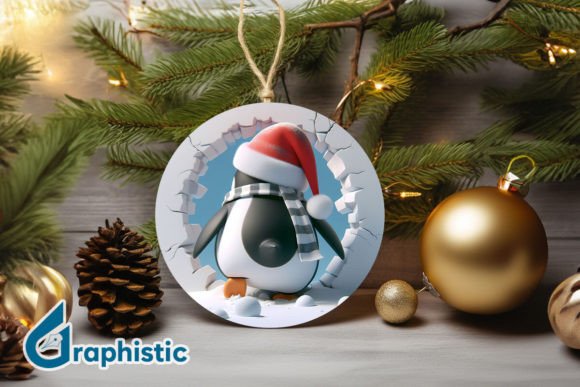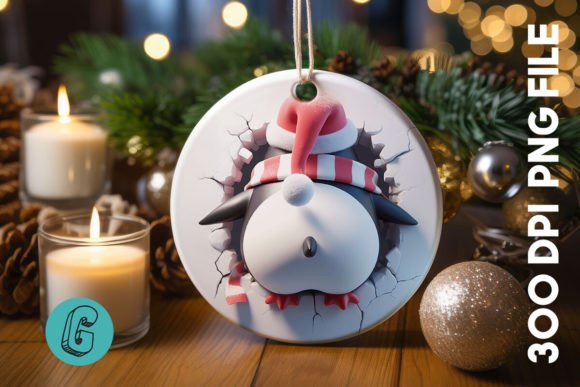
Penguin Christmas Ornament Back 91: A Designer’s Review
As a designer who spends more time staring at stitch simulations than actual fabric, I have developed a keen eye for what works in the hoop and what ends up as a tangled mess of thread breaks. When I first pulled up Penguin Christmas Ornament Back 91, my initial reaction was not just about the cuteness factor—though it is undeniably charming—but about its structural integrity. In the world of machine embroidery, aesthetics mean nothing if the design does not translate well to physical media. This review breaks down how this specific illustration performs in real-world applications, from boutique retail items to personalized holiday gifts.
First Impressions and Visual Personality
The mood of Penguin Christmas Ornament Back 91 is playful yet polished. It sits comfortably within the Illustrations category, offering a graphic quality that appeals to modern crafters who want something beyond traditional, overly complex holiday motifs. The layout feels balanced, with a clear focal point that draws the eye immediately. For an embroidery designer, this clarity is crucial. When a customer scans an Etsy listing or walks past a craft fair booth, they need to understand the design instantly. This piece achieves that through strong silhouettes and distinct visual personality.
The detail level is moderate, which is a strategic advantage. Highly detailed designs often suffer on smaller hoop sizes or textured fabrics, losing definition as the stitches merge. This design, however, maintains its character even when scaled down slightly. It feels like it belongs on items that are meant to be handled and loved, rather than just displayed behind glass. It has a warmth that suggests comfort, making it an ideal candidate for winter-themed projects.
Real-World Application: The Tote Bag Test
To truly evaluate a machine embroidery design, you have to imagine it in use. I recently considered this motif for a custom order of holiday tote bags. The client wanted a handmade product that felt festive but not kitschy. Penguin Christmas Ornament Back 91 fit the brief perfectly. On a canvas tote, the design’s weight distribution seemed appropriate. It did not appear too heavy for one side of the bag, nor did it look sparse.
When working on curved surfaces or flexible materials like tote bags, the stability of the design is paramount. I appreciated that the elements of this ornament back did not rely on excessively long satin stitches that might snag or pull over time. Instead, the composition suggested a mix of fill stitches and running stitches that would hold up well against the wear and tear of daily use. For an Etsy seller or small shop owner, durability translates directly to customer trust and repeat business.
Versatility Across Product Lines
Beyond tote bags, this design shows promise across a wide range of embroidery project types. Here is how it performs in various scenarios:
- Sweatshirt Embroidery: The design scales beautifully for left-chest placement on hoodies or crewnecks. It adds a subtle festive touch without overwhelming the garment.
- Baby Embroidery: Softened thread colors could make this a delightful addition to baby blankets or onesies. The rounded shapes are gentle and appealing for nursery decor.
- Embroidered Patch: With a proper satin stitch border, this could become a high-quality iron-on or sew-on patch, adding value to jackets or backpacks.
- Holiday Embroidery Gifts: It works exceptionally well on kitchen towels or aprons, bringing a cheerful vibe to holiday hosting essentials.
For commercial embroidery professionals, having versatile assets like this in your library is essential. It allows you to pivot quickly between different client needs, whether they are looking for custom apparel or home decor items. The design’s adaptability means it can serve as a standalone feature or part of a larger collection of holiday-themed design assets.
Technical Considerations and Fabric Choices
While Penguin Christmas Ornament Back 91 is robust, no design is universal. There are specific contexts where caution is required. If you are stitching on thin or stretchy fabric, such as jersey knits or lightweight rayon, you must prioritize your stabilizer choice. A cut-away stabilizer is likely necessary to prevent puckering, especially if the design utilizes dense fill stitches. Always test on scrap fabric first to gauge how the thread colors interact with the fabric texture.
Dark fabrics present another challenge. If the design relies on light-colored threads for contrast, ensure that the underlying fabric does not show through the stitches. Using a topping or adjusting the stitch density can help mitigate this. Additionally, when working on caps or other curved surfaces, check the hoop size compatibility. While the design is flexible, forcing it into a too-small hoop can distort the proportions, ruining the visual appeal.
For those interested in creating a printable mockup for digital previews, remember that screen colors rarely match thread colors exactly. Test your design in black and white to ensure the contrast holds up without relying on color differentiation. This step is vital for maintaining professionalism in your product listings.
Enhancing Brand Consistency and Value
Using high-quality illustrations like Penguin Christmas Ornament Back 91 contributes significantly to brand consistency. When customers see a cohesive aesthetic across your small shop product line, it builds recognition and trust. This design fits well within a broader holiday collection, allowing you to create matching sets of ornaments, towels, and apparel. Such cohesion increases the perceived value of your finished product, encouraging buyers to purchase multiple items.
Moreover, the professional finish of this design reflects well on the maker. Sloppy or poorly digitized designs can detract from even the best materials. In contrast, a clean, well-executed embroidery file signals attention to detail and craftsmanship. For creative entrepreneurs, this distinction is what separates hobbyist projects from viable commercial goods.
Practical Notes for Designers
Before committing to a large production run, take these practical steps:
- Check Licensing: Confirm whether the digital embroidery file allows for commercial use. Never assume; always verify the terms before selling finished items.
- Review Stitch Density: High density can cause fabric stiffness. Adjust settings if necessary for softer garments like baby clothes.
- Inspect Small Details: Zoom in on the digitizing software to ensure there are no unnecessary jump stitches or loose ends that could unravel.
- Compare Backgrounds: Stitch the design on both light and dark fabrics to determine the optimal thread palette for each.
In conclusion, Penguin Christmas Ornament Back 91 is a solid addition to any embroidery designer’s toolkit. It balances charm with technical practicality, making it suitable for a wide array of personalized gift options and commercial products. By understanding its strengths and limitations, you can leverage this design to create high-quality, engaging items that resonate with customers during the holiday season and beyond.