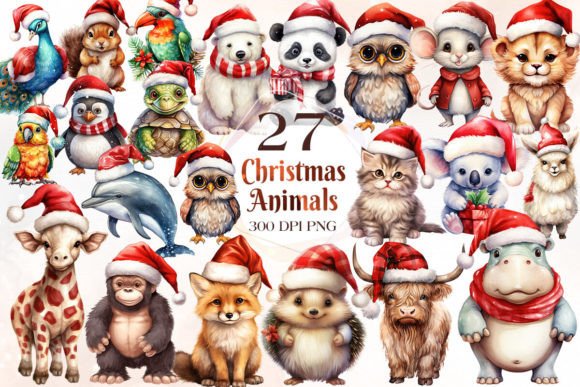
Christmas Animal Sublimation Clipart & Illustrations
As a digital publisher who has spent over a decade refining the visual identity of high-traffic blogs and affiliate sites, I have learned that design assets are not merely decorative. They are functional tools that drive engagement, establish trust, and define brand authority. When I recently evaluated Christmas Animal Sublimation Clipart, my focus was not just on aesthetic appeal, but on its utility within a rigorous content publishing workflow. For bloggers, newsletter creators, and online educators, the right graphic design asset can mean the difference between a scroll-past and a click-through.
The first impression of this collection is one of warmth and approachable whimsy. In the crowded landscape of holiday content, where red and green saturation often leads to visual fatigue, these illustrations offer a refreshing balance. The mood is distinctly lifestyle-focused yet polished enough for professional editorial design. It feels playful without being childish, making it an ideal fit for niches ranging from family blogging and DIY crafts to gentle parenting and seasonal home decor. For a publisher, this versatility is crucial. It allows for consistent branding across diverse content types without feeling repetitive or off-tone.
Elevating Editorial Design with Seasonal Visuals
In real-world publishing scenarios, consistency is key to building reader trust. I tested these assets across several standard formats: blog featured images, Pinterest pins, and newsletter headers. The results were compelling. When used as a website header or a hero image, the clipart provides immediate context. A reader landing on a page titled "Top 10 Holiday Gift Ideas for Pet Lovers" instantly connects with the visual cue of a festive animal illustration. This strengthens the visual hierarchy, guiding the eye naturally from the headline to the call-to-action.
For those managing affiliate marketing campaigns, the professional finish of these designs adds a layer of credibility. Cheap or pixelated graphics can undermine the perceived value of a recommendation. Conversely, high-quality Illustrations signal that the content creator cares about presentation. I found that integrating these images into digital guides and lead magnets significantly enhanced their perceived value. A downloadable checklist or a printable design looks far more premium when anchored by cohesive, thematic artwork. This is essential for small business branding, where every touchpoint contributes to the overall customer experience.
Strategic Applications for Content Creators
The versatility of this asset extends beyond static blog posts. Here is how I recommend incorporating it into your content marketing strategy:
- Pinterest Graphics: The vertical orientation and clear subjects make these perfect for Pinterest pins. They stand out in the feed without requiring excessive text overlay, which often clutters mobile views.
- Newsletter Banners: Email open rates are influenced by preview text and subject lines, but click-through rates are driven by internal visuals. Using these animals as section dividers or header images in your holiday newsletters can boost engagement.
- Social Media Graphics: For Instagram or Facebook, these images serve as excellent backgrounds for quote cards or announcement posts. They provide a festive backdrop that does not compete with legible typography.
- Digital Product Covers: If you sell eBooks, Canva templates, or online courses, using these illustrations on your cover art can increase conversion rates during the Q4 season.
When designing for these platforms, remember that the goal is clarity. The clean lines of the sublimation-style art ensure that the subject remains recognizable even when scaled down. This is vital for mobile-first indexing, where most of your audience will likely view your content.
Optimizing for Performance and Readability
While the aesthetic quality is high, practical implementation requires attention to technical details. As a web designer, I always advise testing assets in their intended environment before final publication. Place the clipart beside various font styles to check for harmony. I found that these illustrations pair beautifully with both serif fonts for a traditional, editorial look and sans serif fonts for a modern, clean vibe. However, exercise caution with script or handwritten fonts; ensure there is enough negative space so the text does not clash with the intricate details of the animal fur or accessories.
Contrast is another critical factor. These designs work best on light or neutral backgrounds. Placing them on dark, busy, or low-contrast backgrounds can obscure the details, reducing their impact. For article thumbnails, ensure the primary subject of the illustration is centered and prominent. If the image is too complex, it may lose definition on small mobile screens. In such cases, consider cropping the image to focus on the face or primary feature of the animal character.
Furthermore, file size optimization is non-negotiable for web performance. Large, uncompressed images slow down page load times, which negatively affects SEO and user experience. Always compress your images properly before uploading. Use next-gen formats like WebP when possible to maintain quality while reducing byte size. This ensures that your beautiful visuals do not come at the cost of site speed.
Navigating Licensing and Commercial Use
For monetized websites, affiliate pages, and paid content products, understanding licensing is paramount. Before integrating any graphic design asset into your workflow, confirm the commercial license terms. Most reputable marketplaces provide clear guidelines on whether the asset can be used in end-products for sale, such as printed mugs, t-shirts, or digital downloads. Ensure that your usage aligns with these terms to avoid legal complications. If you are creating a digital product for resale, verify if attribution is required or if the license covers unlimited sales. This due diligence protects your business and maintains your professional integrity.
It is also worth noting where this asset should be used carefully. While charming, the playful nature of Christmas animal illustrations may not suit serious professional niches such as corporate finance, legal advice, or medical information. In these contexts, a more minimal visual system is preferred. Similarly, avoid using these decorative elements in text-heavy blog images where readability is the primary concern. The goal is to enhance the message, not distract from it.
Final Verdict for Digital Publishers
In conclusion, Christmas Animal Sublimation Clipart is a robust addition to any content creator’s library. It supports stronger brand identity, improves reader trust through professional presentation, and enhances click-through potential via engaging visuals. Whether you are designing a lead magnet, updating your website header, or crafting social media graphics, these illustrations offer the flexibility and quality needed for modern digital publishing. By testing them across devices, optimizing for speed, and respecting licensing agreements, you can leverage this asset to create a cohesive, festive, and high-performing content ecosystem this holiday season.